Self Assessment6 min read
Preparing for Self Assessment without the January panic
The work that makes a tax return straightforward almost all happens before you open the form. Here is what to gather, when to start and which details cause the most delays.
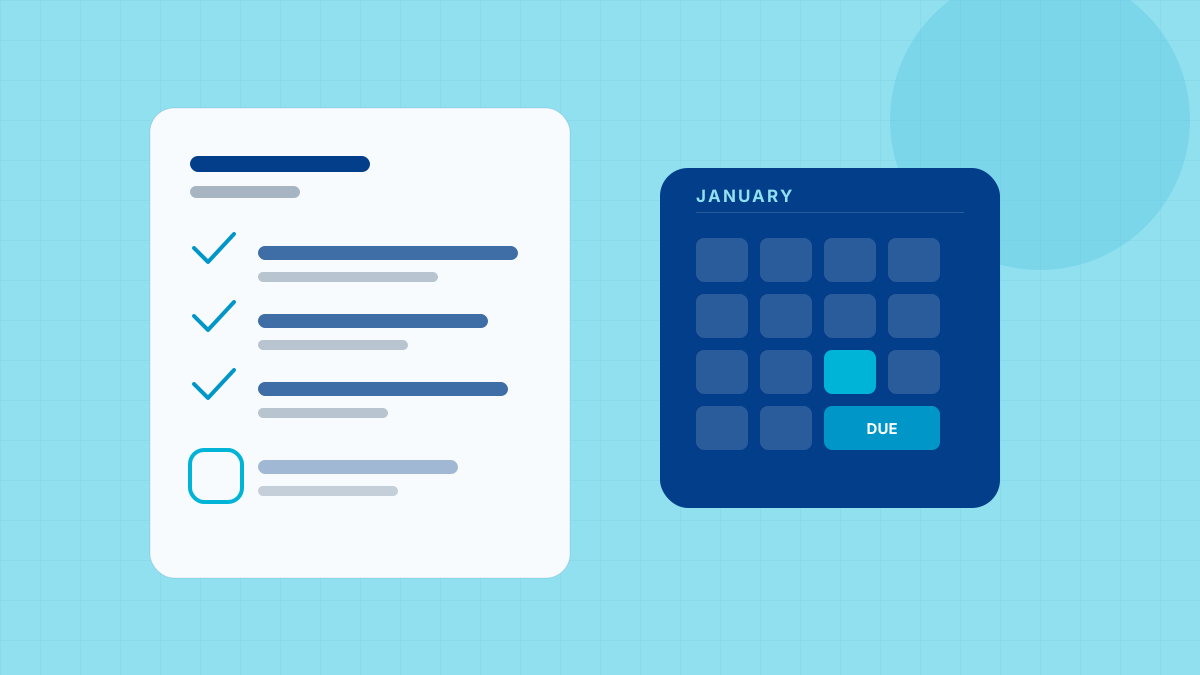
Most of the stress around Self Assessment has very little to do with the tax return itself. It comes from hunting for a bank statement from eleven months ago, or trying to remember what a payment in April was for. Do the gathering early and the return becomes a short administrative job rather than a lost weekend.
Know which deadlines apply to you
For a normal tax year running to 5 April, an online return is due by the following 31 January, along with any balancing payment for that year. Paper returns are due earlier, by 31 October. If HMRC has asked you to make payments on account, the second instalment falls on 31 July.
If this is your first return, registering with HMRC is a separate step that has its own deadline, and the process of getting a Unique Taxpayer Reference takes time to complete. Leaving it until January is the single most common reason people end up filing late.
What to gather
The exact list depends on your circumstances, but most returns draw on some combination of the following:
- Business income records: sales invoices, platform statements and takings summaries.
- Business expenses with receipts, separated from personal spending.
- Bank statements covering the full tax year for every account used by the business.
- P60, P45 and P11D forms if you were also employed during the year.
- Details of pension contributions and Gift Aid donations you made personally.
- Rental income and the associated costs if you let out property.
- Interest, dividends and any gains on disposals of assets.
- Student loan plan type, if repayments are being collected through your return.
The details that cause the most delays
In our experience, returns stall on a small number of recurring issues. Unexplained transfers between personal and business accounts are the biggest one, because each has to be identified before the figures can be finalised. Missing records for cash expenses come a close second.
- 1Transfers with no description, which have to be traced back individually.
- 2Expenses paid personally and never recorded anywhere.
- 3Income received through a platform that reports gross takings while the money arriving in the bank is net of fees.
- 4A change of circumstances during the year, such as starting employment or moving home, that has not been mentioned.
- 5Waiting on a figure from a third party, such as a pension provider or letting agent.
Set money aside as you go
A tax bill is easier to meet when it has been building up in a separate account all year. Moving a fixed percentage of every payment you receive into a savings account is a crude method, but it works far better than finding the full amount in January. If your profits change significantly, the percentage should be reviewed rather than left on autopilot.
When to hand it over
If you would like an accountant to prepare your return, aim to send your records in the autumn rather than in the new year. Earlier submission means you know your tax figure months before it is due, which makes budgeting straightforward, and it leaves time to query anything that looks unusual.